Community, Preparedness Basics

Know Your Neighbors: Why Community Preparedness Starts Next Door

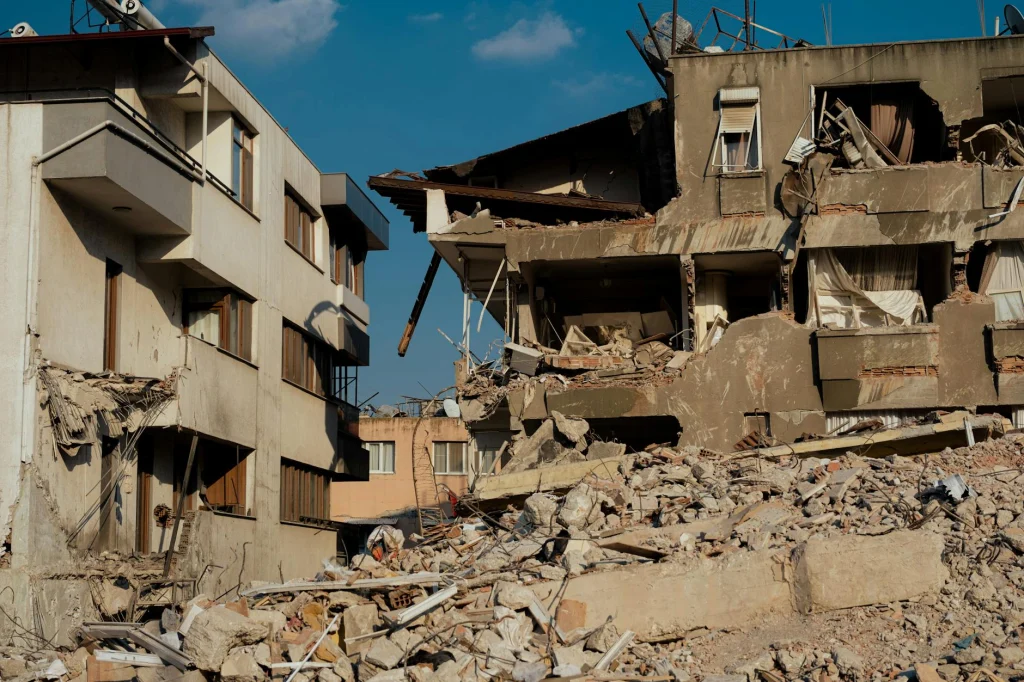
After the 1995 Kobe earthquake, which killed more than 6,000 people, researchers studied how survivors were rescued. The finding has been replicated in disaster after disaster since: the majority of people who were pulled from collapsed structures were rescued by neighbors, not emergency services. In a major regional disaster, professional first responders will be overwhelmed. […]

Health & Medical, Preparedness Basics

Medical Needs Preparedness: Managing Prescriptions and Health Supplies in an Emergency

For most households, emergency preparedness is primarily about food, water, and safety. For households where someone depends on prescription medications, medical equipment, or ongoing treatment, preparedness involves an additional layer of planning that most generic guides don’t cover. A 72-hour power outage is manageable for a household with no medical dependencies. For a household where

Preparedness Basics, Water

How to Store Water for Emergencies: A Practical PNW Guide

In a regional disaster, your water system may fail before anything else. Pipes crack. Pumping stations lose power. Treatment facilities go offline. Contamination enters systems that normally deliver safe water. For most Pacific Northwest households, the municipal water supply is so reliable it’s invisible — until it isn’t. The standard preparedness recommendation is one gallon

Scroll to Top