Mindset: The Principles of 3
Show notes coming soon. Listen to the full episode above.
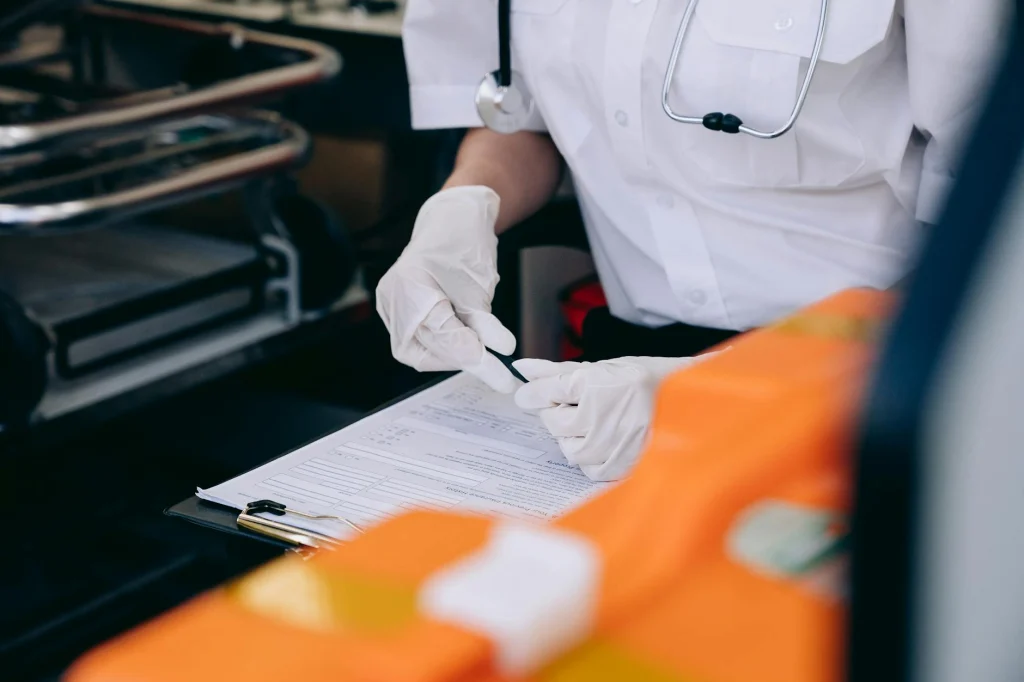
Most households have a first aid kit somewhere. A red plastic box or a white zipper pouch — the kind you bought at the drugstore years ago and haven’t thought about since. That kit is a starting point. But it was designed for everyday injuries: a cut, a blister, a minor burn. It wasn’t built
Twice a year, most of us go through the familiar ritual of changing the clocks — springing forward in March, falling back in November. It’s a minor inconvenience we’ve all learned to just deal with. Emergency professionals have long recommended pairing this clock change with a smoke detector battery check. It’s a simple memory hook:
If your household ever had to leave in a hurry — or if your child ended up separated from you during an emergency — would they have what they need? Not just physically, but would they know what to do, and would they have the key information to help someone help them? A child’s emergency
If you’ve ever looked up “emergency preparedness” and walked away feeling more overwhelmed than when you started, you’re not alone. The internet has a way of making preparedness feel like a second job — a sprawling, expensive, never-quite-done project with a hundred things to buy and a thousand things to learn. It doesn’t have to
If you’ve lived in the Pacific Northwest for more than a year or two, you already know: winter here isn’t always dramatic, but when it decides to show up, it can be serious. An atmospheric river dumps rain for days. A cold snap turns wet roads into ice sheets. A wind event off the coast
Here’s a question worth thinking about right now: if something happened today — a major earthquake, a significant storm, a widespread power outage — and you couldn’t reach anyone in your immediate area, is there one number you could call or text that would help you locate your family? For most households, the answer is
Your phone is a remarkable emergency tool — right up until it isn’t. Cell towers go down. Batteries die. Networks get overwhelmed when every person in an affected area tries to reach someone at the same moment. In a serious weather event or regional disaster, the very moment you need information most is often the
Most people picture emergency preparedness as something intense — massive supply rooms, complicated gear, years of planning. So they assume they’re not prepared. They haven’t started. They’re behind. Here’s the thing: you’re probably further along than you think. Preparedness isn’t a switch you flip. It’s a direction you move in. And a lot of everyday
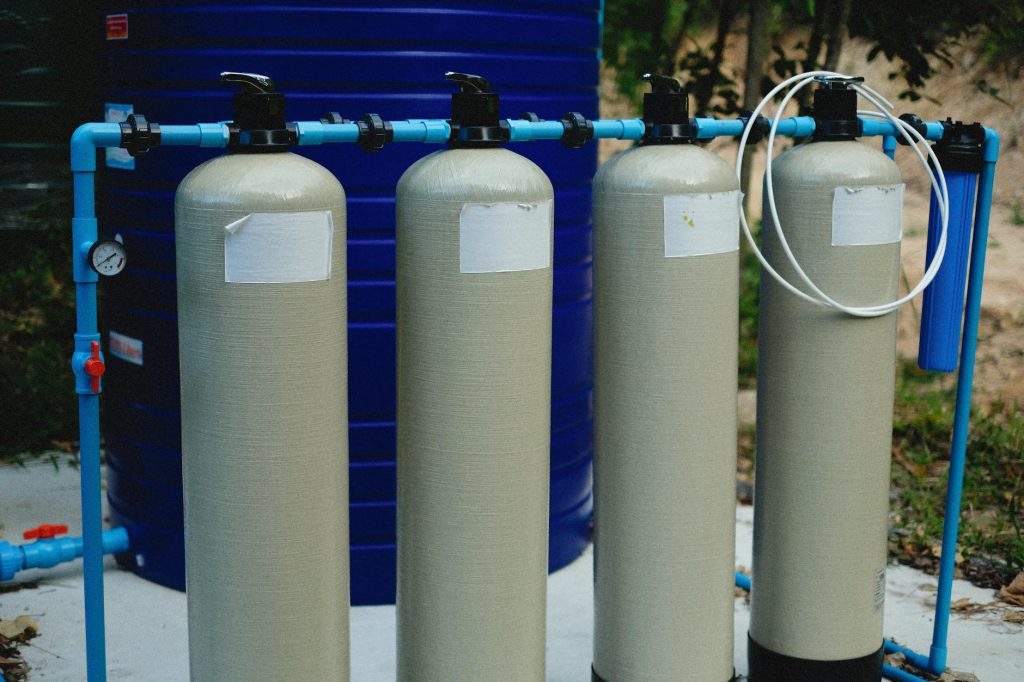
It’s been 36 hours since the earthquake. The shaking stopped, you checked on your neighbors, your family is accounted for. Things are hard, but you’re managing. Then someone turns on the kitchen faucet out of habit. And nothing comes out. Not a trickle. Not even a groan from the pipes. Just – nothing. The water